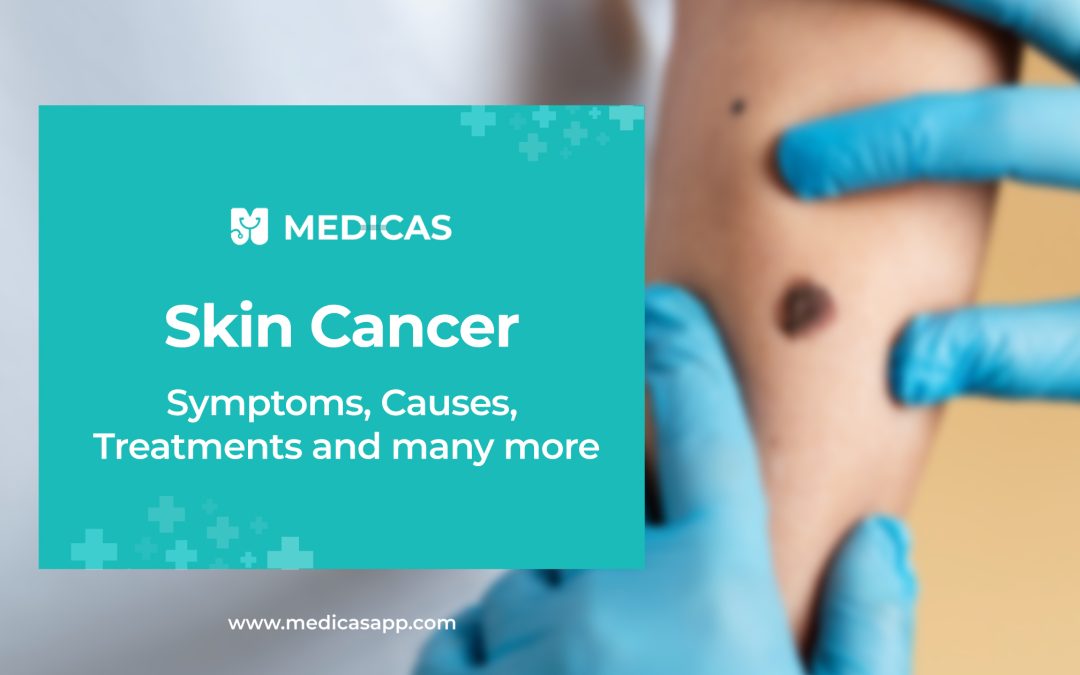
Skin cancer, the most common form of cancer, arises from the abnormal growth of skin cells. Understanding its various types, causes, and preventive measures is crucial for maintaining skin health. Early detection and appropriate treatment significantly improve outcomes. This article provides a comprehensive overview of skin cancer, empowering you with the knowledge to protect yourself and your loved ones.
Table of Contents
Common Symptoms of Skin Cancer
Recognizing the early signs of skin cancer can be life-saving. The most common symptom is a new growth, sore that doesn’t heal, or a change in an existing mole. These changes can include alterations in size, shape, color, or texture. Basal cell carcinoma often appears as a pearly or waxy bump, while squamous cell carcinoma may present as a firm, red nodule. Melanoma, the most dangerous form, can develop from a mole or appear as a new, unusual-looking growth. It’s vital to perform regular self-exams and consult a dermatologist for any suspicious skin changes. Are you noticing anything new or changing on your skin? It’s always best to err on the side of caution.
- New moles or growths
- Changes in existing moles
- Sores that don’t heal
- Scaly or crusty patches
- Bleeding or itching lesions
Major Causes of Skin Cancer
The primary cause of skin cancer is exposure to ultraviolet (UV) radiation from the sun or tanning beds. UV radiation damages the DNA in skin cells, leading to uncontrolled growth and the formation of cancerous tumors. Other risk factors include a family history of skin cancer, fair skin, a weakened immune system, and exposure to certain chemicals. While some risk factors are unavoidable, limiting UV exposure is the most effective way to reduce your risk. Think of your skin like a delicate flower – it needs protection from harsh sunlight!
- UV radiation from the sun
- Tanning bed use
- Family history of skin cancer
- Fair skin
- Weakened immune system
- Exposure to certain chemicals
Risks associated with Skin Cancer
The risks associated with skin cancer vary depending on the type and stage of the cancer. Early-stage skin cancers are typically highly treatable with minimal long-term complications. However, if left untreated, skin cancer can spread to other parts of the body, leading to more serious health problems. Melanoma, in particular, can be aggressive and requires prompt treatment. The risk of metastasis increases with the stage of the cancer. Regular skin exams and early detection are crucial for minimizing these risks. Ignoring a suspicious spot is like ignoring a warning light on your car – it’s best to get it checked out!
| Stage | Description | Risk Level |
|---|---|---|
| Stage 0 | Cancer is only in the epidermis (outer layer of skin). | Low |
| Stage I | Cancer has grown deeper into the skin but has not spread to lymph nodes or other sites. | Moderate |
| Stage II | Cancer is larger and may have high-risk features, but has not spread to lymph nodes or other sites. | Moderate to High |
| Stage III | Cancer has spread to nearby lymph nodes. | High |
| Stage IV | Cancer has spread to distant sites in the body. | Very High |
Diagnosis of Skin Cancer
Diagnosing skin cancer typically involves a physical exam by a dermatologist, followed by a biopsy of any suspicious lesions. During a biopsy, a small sample of skin is removed and examined under a microscope to determine if cancer cells are present. The type and stage of skin cancer are determined based on the biopsy results. Additional tests, such as imaging scans, may be necessary if there is a concern about the cancer spreading. Don’t be afraid to ask your doctor questions about the diagnostic process – understanding what’s happening can ease your anxiety.
- Physical exam by a dermatologist
- Biopsy of suspicious lesions
- Microscopic examination of skin sample
- Imaging scans (if necessary)
Consider to Book Lab Test for detailed test analysis.
Prevention of Skin Cancer
Preventing skin cancer is primarily focused on limiting UV exposure. This includes wearing protective clothing, such as long sleeves, pants, and wide-brimmed hats, when outdoors. Applying sunscreen with a high SPF (Sun Protection Factor) to all exposed skin is also essential. Avoid tanning beds and seek shade during peak sunlight hours. Regular self-exams and professional skin checks can help detect skin cancer early when it is most treatable. Prevention is always better than cure – make sun safety a habit!
- Wear protective clothing
- Apply sunscreen with high SPF
- Avoid tanning beds
- Seek shade during peak sunlight hours
- Regular self-exams and professional skin checks
Common Treatment Options for Skin Cancer
Treatment options for skin cancer depend on the type, stage, and location of the cancer, as well as the patient’s overall health. Common treatments include surgical removal, radiation therapy, chemotherapy, targeted therapy, and immunotherapy. Early-stage skin cancers are often treated with surgical excision alone. More advanced cancers may require a combination of treatments. Your doctor will develop a personalized treatment plan based on your individual needs.
Lifestyle Modifications
Lifestyle modifications can play a significant role in managing skin cancer and preventing recurrence. These include adopting a healthy diet, exercising regularly, and avoiding smoking. Protecting your skin from further sun damage is also crucial. These changes can improve your overall health and well-being, and support your body’s ability to fight cancer. Small changes can make a big difference!
Medications for Skin Cancer
Medications used to treat skin cancer include topical creams, chemotherapy drugs, targeted therapy drugs, and immunotherapy drugs. Topical creams are often used to treat early-stage skin cancers, while chemotherapy, targeted therapy, and immunotherapy are used for more advanced cancers. These medications work by killing cancer cells or boosting the immune system to fight cancer. It’s important to discuss the potential side effects of these medications with your doctor.
You can get an Online Doctor Consultation to discuss medications with your doctor.
When to See the Doctor for Skin Cancer
You should see a doctor if you notice any new or changing moles, sores that don’t heal, or other suspicious skin changes. Early detection is crucial for successful treatment of skin cancer. If you have a family history of skin cancer or other risk factors, you may need to see a dermatologist for regular skin checks. Don’t delay seeking medical attention if you’re concerned about your skin – it’s always better to be safe than sorry.
Consult Best Doctors for Dermatology and Skin Cancer on Medicas
Things to Consider During Treatment/Procedure for Skin Cancer
Before undergoing any treatment for skin cancer, it’s important to discuss the potential risks and benefits with your doctor. Consider the impact of treatment on your daily life, and make sure you have a support system in place to help you through the process. Ask questions about the treatment plan, including the expected side effects and recovery time. Being well-informed can help you make the best decisions for your health. Knowledge is power!
Related Articles
Disclaimer
The Medicas Health Library provides general health information for educational purposes only. It is not a substitute for professional medical advice, diagnosis, or treatment. Always seek the guidance of a qualified healthcare provider with any questions you may have regarding a medical condition or treatment. While we strive to keep content accurate and up to date, medical knowledge is constantly evolving, and individual circumstances may vary. Medicas does not assume responsibility for decisions made based on this information.
Frequently Asked Questions (FAQs)
-
What are the different types of skin cancer?
The main types of skin cancer are basal cell carcinoma, squamous cell carcinoma, and melanoma. Basal cell carcinoma and squamous cell carcinoma are more common and less likely to spread, while melanoma is more aggressive.
-
How often should I perform a self-exam?
You should perform a self-exam at least once a month, paying close attention to any new or changing moles or lesions.
-
Is sunscreen enough to protect me from skin cancer?
Sunscreen is an important part of sun protection, but it’s not enough on its own. You should also wear protective clothing, seek shade, and avoid tanning beds.
-
What is SPF and how does it work?
SPF stands for Sun Protection Factor. It measures how well a sunscreen protects you from UVB rays, which cause sunburn. A higher SPF provides more protection.
-
Can skin cancer be cured?
Yes, many skin cancers can be cured, especially when detected and treated early.
- What are the risk factors for skin cancer?Risk factors include UV exposure, fair skin, family history, weakened immune system, and exposure to certain chemicals.
-
How is skin cancer diagnosed?
Skin cancer is diagnosed through a physical exam and a biopsy of suspicious lesions.
-
What are the treatment options for skin cancer?
Treatment options include surgical removal, radiation therapy, chemotherapy, targeted therapy, and immunotherapy.
-
Can skin cancer spread to other parts of the body?
Yes, some types of skin cancer, especially melanoma, can spread to other parts of the body if left untreated.
-
How effective are virtual dermatology appointments for skin cancer screening?
Teledermatology can be effective for initial screenings and monitoring, but in-person exams are still crucial for accurate diagnosis and biopsies. Consider scheduling a Book Appointment for a virtual screening.
-
Is skin cancer contagious?
No, skin cancer is not contagious. It cannot be spread from person to person.
-
What should I do if I find a suspicious mole?
If you find a suspicious mole, you should see a dermatologist as soon as possible for evaluation.
-
Does age affect my risk of getting skin cancer?
The risk of skin cancer increases with age due to cumulative sun exposure, but people of all ages can develop skin cancer.
-
Are there any natural remedies for skin cancer?
There is no scientific evidence to support the use of natural remedies for skin cancer treatment. Medical treatments should be the primary option.
-
Can wearing sunscreen prevent all types of skin cancer?
While sunscreen significantly reduces the risk, it doesn’t guarantee complete prevention. It’s essential to combine sunscreen with other protective measures.